 +86-13376814803
 robert@hzhongtai.com


Refrigerant is one of the most important components in a refrigerant dehumidifier. It circulates through the refrigeration system to absorb heat, cool humid air below its dew point, and condense water vapor into liquid water.
Different refrigerants have different impacts on energy efficiency, environmental performance, operating pressure, and system design. Understanding dehumidifier refrigerant types helps manufacturers, distributors, and users choose the right equipment for residential, commercial, and industrial applications.
How Does Refrigerant Work in a Dehumidifier?
A refrigerant dehumidifier uses a vapor-compression refrigeration cycle:
Humid air enters the dehumidifier
The evaporator coil cools the air
Water vapor condenses on the cold coil
Liquid water is collected and drained
The refrigerant absorbs heat and moves it to the condenser
Dry air is reheated and released back into the room
The refrigerant continuously changes between liquid and gas states, enabling continuous moisture removal.
Common Refrigerant Types Used in Dehumidifiers
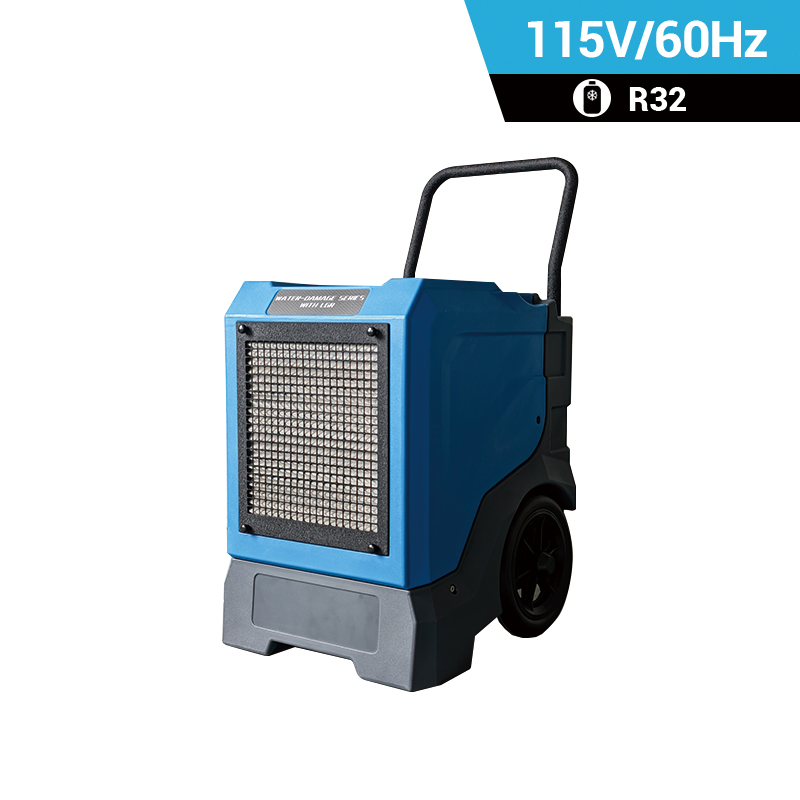
1. R32 Refrigerant
R32 (Difluoromethane) is becoming increasingly popular in modern dehumidifiers due to its lower environmental impact and high energy efficiency.
Advantages:
Low Global Warming Potential (GWP)
High cooling efficiency
Requires less refrigerant charge
Compact system design
Improved energy performance
Applications:
Residential dehumidifiers
Commercial dehumidifiers
Energy-efficient HVAC systems
Considerations:
Mildly flammable (A2L refrigerant)
Requires proper system design and safety measures
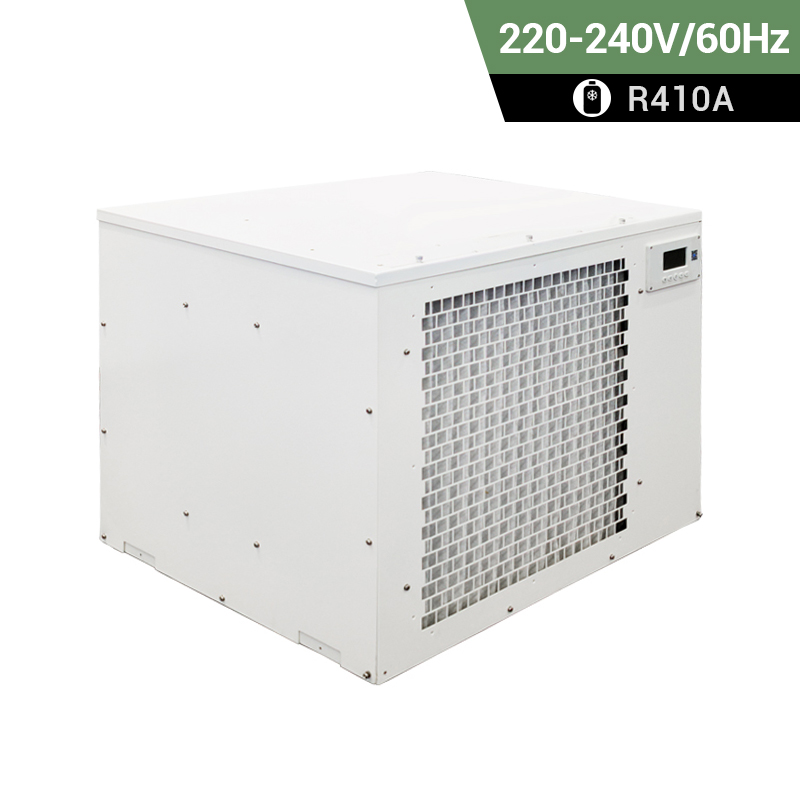
2. R410A Refrigerant
R410A was widely used in air conditioners and dehumidifiers before newer low-GWP refrigerants became common.
Advantages:
Excellent cooling performance
Stable operating characteristics
Widely available technology
Applications:
Commercial dehumidifiers
Industrial humidity control systems
Older generation equipment
Considerations:
High GWP compared with newer refrigerants
Being gradually replaced due to environmental regulations
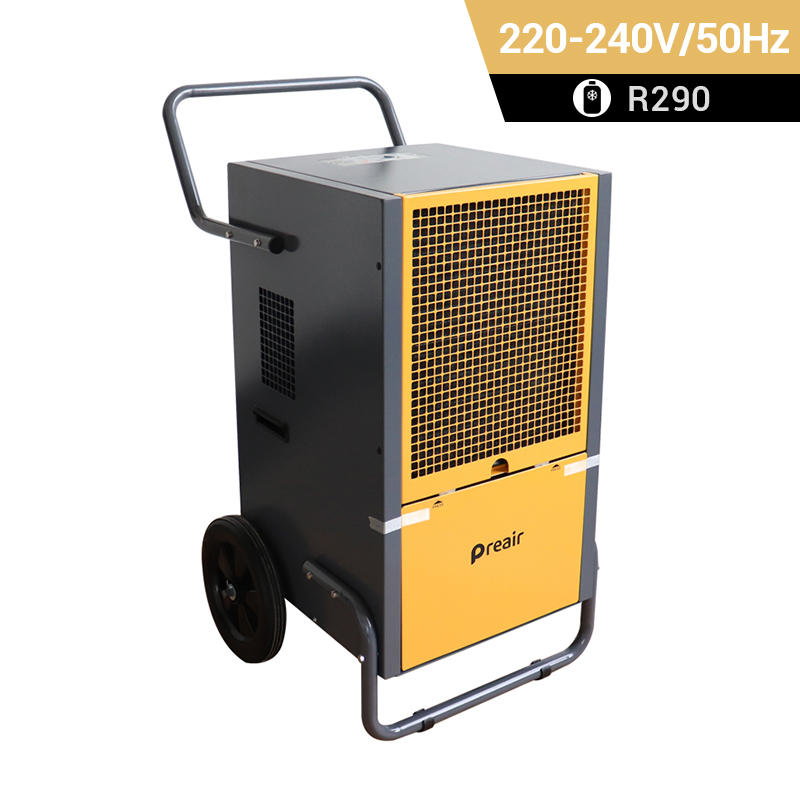
3. R290 Refrigerant (Propane)
R290 is a natural refrigerant gaining attention because of its excellent environmental performance.
Advantages:
Very low GWP
High energy efficiency
Excellent heat transfer properties
Environmentally friendly
Applications:
Residential dehumidifiers
Energy-saving commercial units
Eco-friendly product lines
Considerations:
Flammable refrigerant
Requires strict safety standards and manufacturing controls
Comparison of Common Dehumidifier Refrigerants
|
Refrigerant |
Type |
GWP Level |
Efficiency |
Common Applications |
|
R32 |
Synthetic refrigerant |
Low |
High |
Modern residential & commercial dehumidifiers |
|
R290 |
Natural refrigerant |
Very low |
Very high |
Eco-friendly dehumidifiers |
|
R410A |
Synthetic blend |
High |
High |
Older commercial systems |
Which Refrigerant Is Best for a Dehumidifier?
The best refrigerant depends on the application.
Residential Refrigerant Dehumidifiers
Recommended: R32, R290
Benefits:
Lower energy consumption
Compact design
Environmentally friendly operation
Industrial Refrigerant Dehumidifiers
Depending on requirements:
Refrigerant dehumidifiers may use R32 or R290
Desiccant systems may be selected for extremely low humidity applications
Commercial Refrigerant Dehumidifiers
Recommended: R32, R290, R410A (existing systems)
Benefits:
Higher moisture removal capacity
Long operating hours
Better efficiency
LGR Dehumidifiers for Water Damage Restoration
Common choices: R410A, R32
Advanced refrigerant systems designed for low grain performance
LGR dehumidifiers require refrigerants that can maintain strong moisture extraction at lower humidity levels.
Future Trends in Dehumidifier Refrigerants
The dehumidification industry is moving toward refrigerants with:
Lower Global Warming Potential (GWP)
Higher energy efficiency
Improved safety designs
Compliance with global environmental regulations
Future commercial and industrial dehumidifiers are expected to increasingly adopt:
R290 natural refrigerant
R32 low-GWP refrigerant
Advanced heat exchanger designs
Conclusion
The refrigerant type directly affects a dehumidifier’s efficiency, environmental impact, maintenance requirements, and operating cost.
R32 offers a balance of efficiency and environmental performance.
R290 provides excellent eco-friendly performance with very low GWP.
R410A remains common in existing equipment but are gradually being replaced.
For manufacturers, OEM suppliers, and buyers of commercial dehumidifiers, selecting the right refrigerant is essential for achieving reliable humidity control and long-term product competitiveness.
Post time: Jul-28-2026


