 +86-13376814803
 robert@hzhongtai.com


Summer often brings higher temperatures and increased humidity levels, making many homeowners wonder whether a whole-house dehumidifier is necessary. The answer depends on your indoor humidity levels, comfort needs, and whether your air conditioning system can adequately remove moisture from the air.
What Does a Whole House Dehumidifier Do?
A whole house dehumidifier for HVAC can remove excess moisture throughout the entire home. Unlike portable units that only treat a single room, it helps maintain consistent humidity levels in every living space.
Benefits include:
Improved indoor comfort
Reduced risk of mold and mildew growth
Better indoor air quality
Protection for wood floors, furniture, and electronics
Fewer musty odors
Reduced dust mites and other moisture-loving allergens
Signs You May Need a Whole House Dehumidifier
You may benefit from a whole house dehumidifier with fresh air intake if you notice any of the following during summer:
1. Indoor Humidity Stays Above 60%
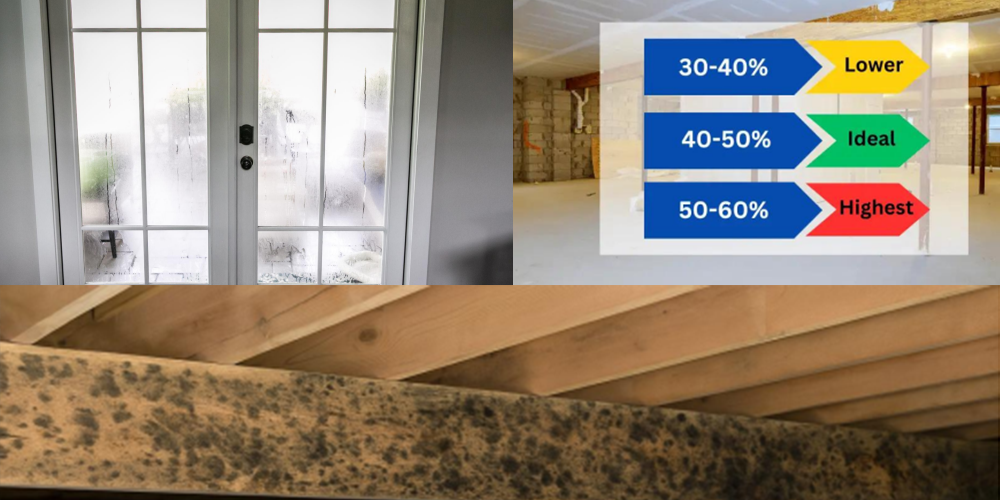
Experts generally recommend keeping indoor relative humidity between 30% and 50%. If humidity regularly exceeds 60%, moisture-related problems can develop.
2. Your Home Feels Sticky or Clammy
If the air feels damp even when the temperature is comfortable, excess humidity may be the issue rather than inadequate cooling.
3. Condensation Appears on Windows
Window condensation during warm weather often indicates excessive indoor moisture.
4. Mold or Mildew Growth
Bathrooms, basements, crawl spaces, and closets are common places where mold develops when humidity remains high.
5. Musty Odors
Persistent musty smells often signal hidden moisture problems.
6. Allergies Become Worse
High humidity encourages the growth of mold spores and dust mites, both of which can trigger allergy symptoms.
Isn't My Air Conditioner Enough?
Air conditioners remove some moisture while cooling the air. However, they are not designed primarily for humidity control.
During mild summer weather:
The AC may not run long enough to remove sufficient moisture.
High-efficiency systems cool quickly but may leave humidity behind.
Coastal and humid climates often overwhelm the dehumidification capacity of standard HVAC systems.
In these situations, a dedicated crawl space dehumidifier can maintain proper humidity levels without overcooling the home.
Homes That Benefit Most from Whole-House Dehumidifiers
A whole-house dehumidifier is especially useful if you live in:
Coastal regions
Areas with long humid summers
Homes with finished basements
Houses with crawl spaces
Large homes with multiple floors
Energy-efficient homes with limited natural ventilation
Potential Energy Savings
Lower humidity can make occupants feel cooler at the same temperature. Many homeowners find they can set the thermostat a few degrees higher while maintaining comfort, which may reduce cooling costs.
In addition, controlling moisture helps prevent expensive damage from mold, wood warping, and corrosion.
How to Know for Sure
The best way to determine whether you need a whole home dehumidifier is to measure indoor humidity with a hygrometer.
General guidelines:
|
Relative Humidity |
Recommendation |
|
30%–50% |
Ideal range |
|
50%–60% |
Monitor conditions |
|
Above 60% |
Consider dehumidification |
|
Above 70% |
High risk of mold and moisture problems |
Conclusion
A whole house dehumidifier can be a valuable investment during the summer if your home struggles with high humidity, mold concerns, musty odors, or uncomfortable indoor conditions. While air conditioners remove some moisture, they often cannot maintain ideal humidity levels on their own in humid climates. If indoor humidity regularly exceeds 60%, adding a whole-house dehumidifier can improve comfort, protect your home, and support healthier indoor air quality.
Post time: Jun-03-2026


