 +86-13376814803
 robert@hzhongtai.com


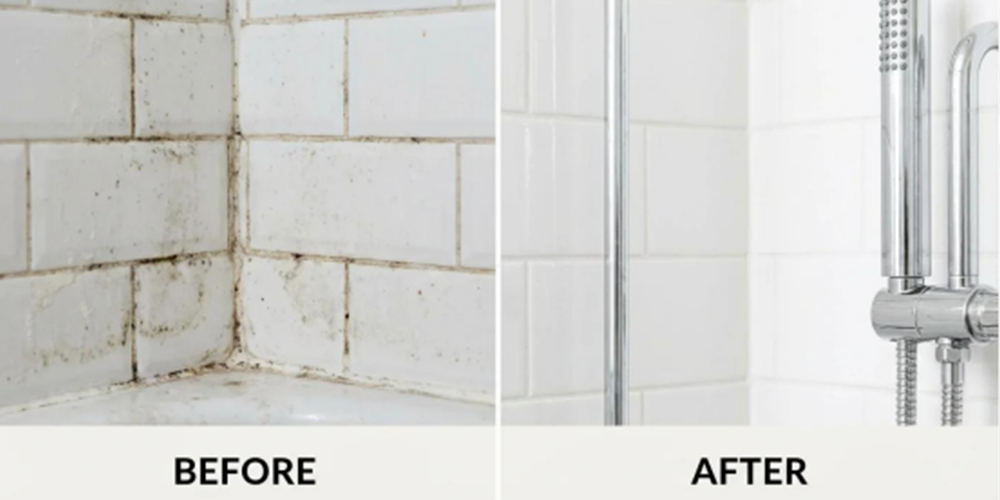
Bathroom mold is a common problem caused by excess moisture, poor ventilation, and warm temperatures. If left untreated, mold can spread quickly and damage surfaces while affecting indoor air quality. Here's a step-by-step guide to removing bathroom mold and preventing it from returning.
Why Does Mold Grow in Bathrooms?
Bathrooms provide the ideal environment for mold because of high humidity from showers and baths, poor ventilation, water leaks or condensation, damp towels and bath mats, and inadequate drying of surfaces.
Mold commonly appears on grout lines, ceilings, walls, caulking, shower curtains, and around windows.
How to Remove and Prevent Mold in the Bathroom?
Step 1: Protect Yourself
Before cleaning mold, wear rubber gloves, safety goggles, and an N95 mask or respirator.
Open windows and run the exhaust fan to improve air circulation during cleaning.
Step 2: Clean the Mold
For Small Areas
Mix one of the following cleaning solutions:
1) White Vinegar
Spray undiluted white vinegar directly onto the mold.
Let it sit for at least 1 hour.
Scrub with a brush and rinse.
2) Hydrogen Peroxide (3%)
Spray onto affected surfaces.
Allow 10–15 minutes of contact time.
Scrub and wipe clean.
3) Baking Soda Solution
Mix 1 teaspoon of baking soda with 2 cups of water.
Spray, scrub, and wipe dry.
For Stubborn Mold
A diluted bleach solution may be used on non-porous surfaces:
1 cup of bleach per gallon of water
Apply carefully
Allow several minutes of contact time
Scrub and rinse thoroughly
Never mix bleach with ammonia, vinegar, or other cleaners.
Step 3: Remove and Replace Damaged Materials
Some materials cannot be effectively cleaned if mold has penetrated deeply:
Moldy drywall
Severely contaminated caulk
Water-damaged ceiling tiles
Mold-infested wallpaper
Replacing affected materials may be necessary to fully eliminate the problem.
Step 4: Dry the Bathroom Thoroughly
Removing mold without addressing moisture will only provide a temporary solution.
After cleaning:
Dry all surfaces completely
Wipe down shower walls after use
Hang towels to dry
Repair leaks immediately
Step 5: Reduce Humidity
The ideal bathroom humidity level is between 30% and 50% RH.
1) Improve Ventilation
Run the exhaust fan during showers and for 20–30 minutes afterward
Open windows when the weather permits
Keep the bathroom door open after bathing
2 ) Use a Dehumidifier
If humidity remains high, a dehumidifier can help maintain proper moisture levels and prevent mold regrowth.
A whole house dehumidifier with fresh air intake is especially useful when the bathroom lacks an exhaust fan, the bathroom is located in a basement, condensation frequently appears on mirrors or windows, and mold keeps returning despite cleaning.
How to Prevent Bathroom Mold from Coming Back
Keep humidity below 50% RH
Fix plumbing leaks promptly
Clean grout and caulk regularly
Wash shower curtains frequently
Use mold-resistant paint in humid areas
Ensure adequate airflow throughout the bathroom
Consider installing a whole home dehumidifier if moisture problems persist
When to Call a Professional
Professional mold remediation may be necessary if:
The mold covers more than about 10 square feet
Mold repeatedly returns after cleaning
Water damage is extensive
Mold is inside walls, ceilings, or HVAC systems
Occupants experience respiratory symptoms related to mold exposure
Conclusion
Eliminating bathroom mold requires both cleaning existing growth and controlling the moisture that allows it to thrive. Regular ventilation, prompt leak repairs, and maintaining indoor humidity below 50% RH are the most effective long-term strategies. For bathrooms with persistent dampness, a dehumidifier can be an excellent tool for preventing mold from returning.
Post time: Jun-03-2026


