 +86-13376814803
 robert@hzhongtai.com

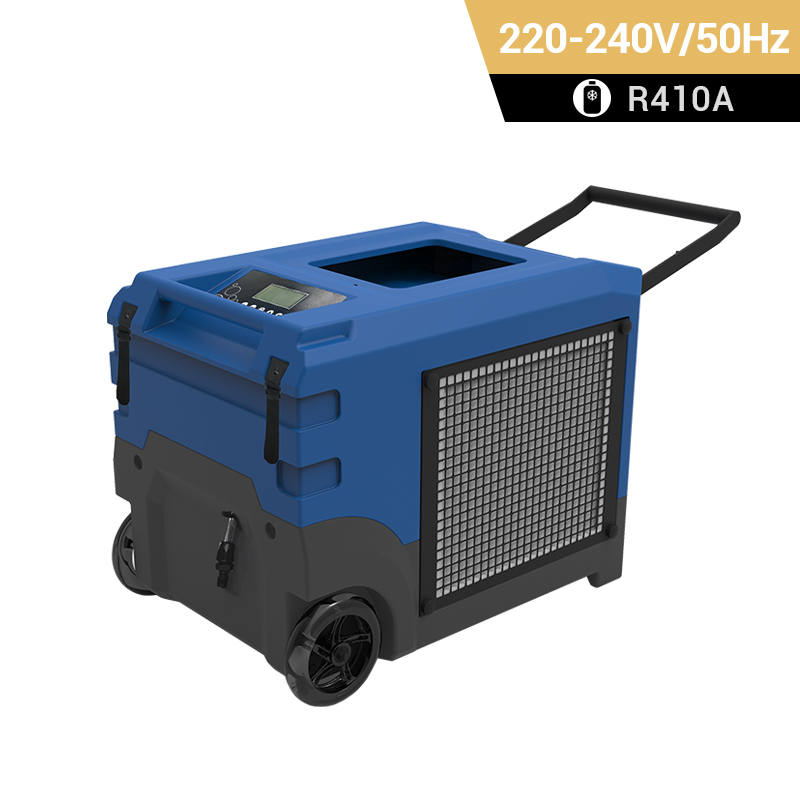
High Quality Dehumidifier For Flood Damage
When dealing with flood damage, having a high-quality dehumidifier is crucial to prevent the growth of mold and mildew, protect your belongings, and restore the affected area. Here are some features to consider when choosing a dehumidifier for flood damage:
1. Capacity:
- Choose a dehumidifier with a sufficient capacity for the size of the affected area. The capacity is typically measured in pints per day (PPD). Higher-capacity units are suitable for larger spaces.
2. Portability:
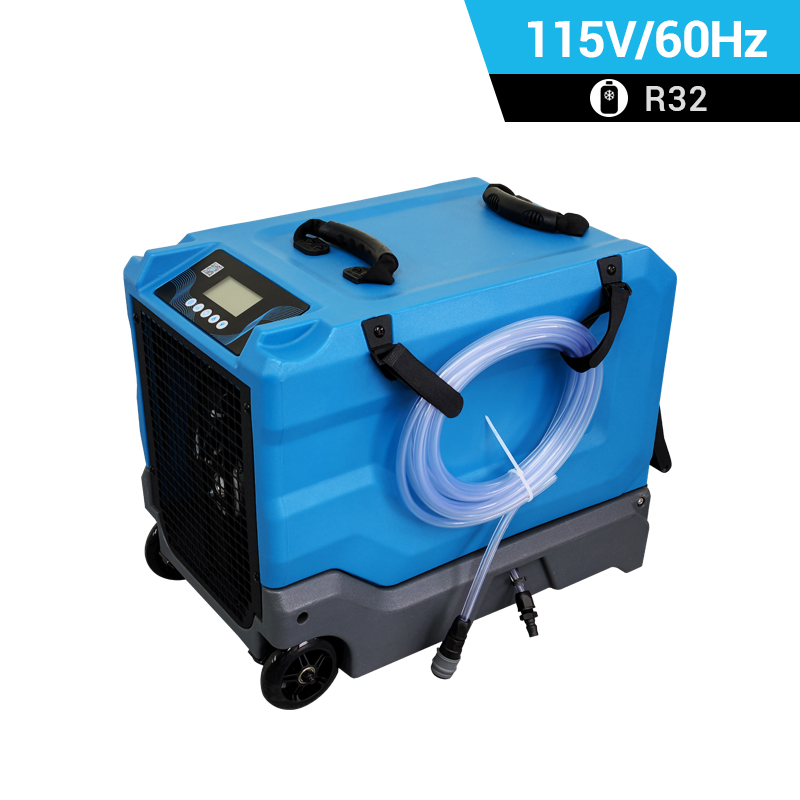
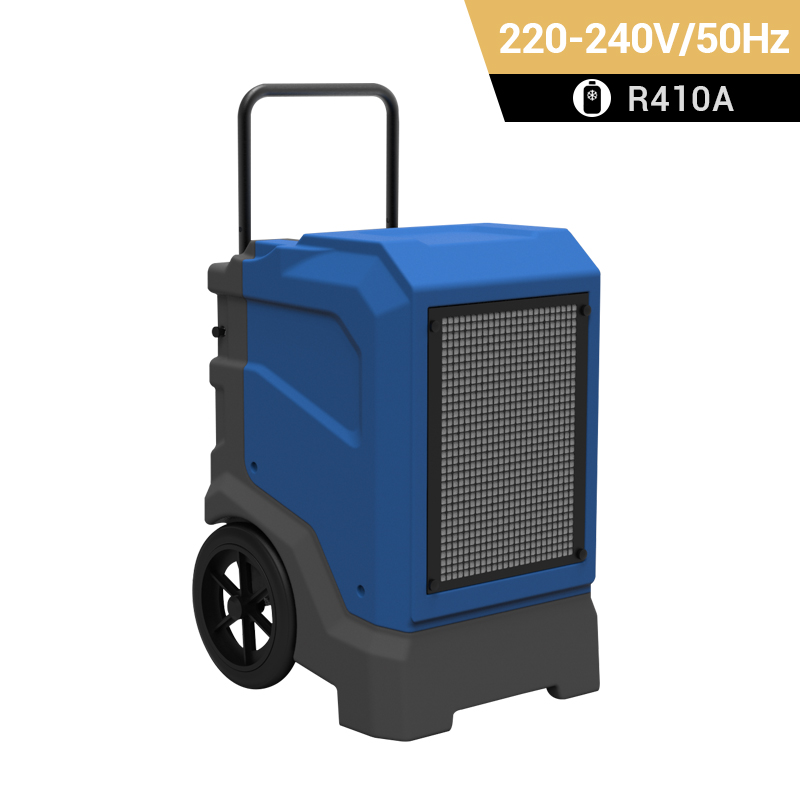
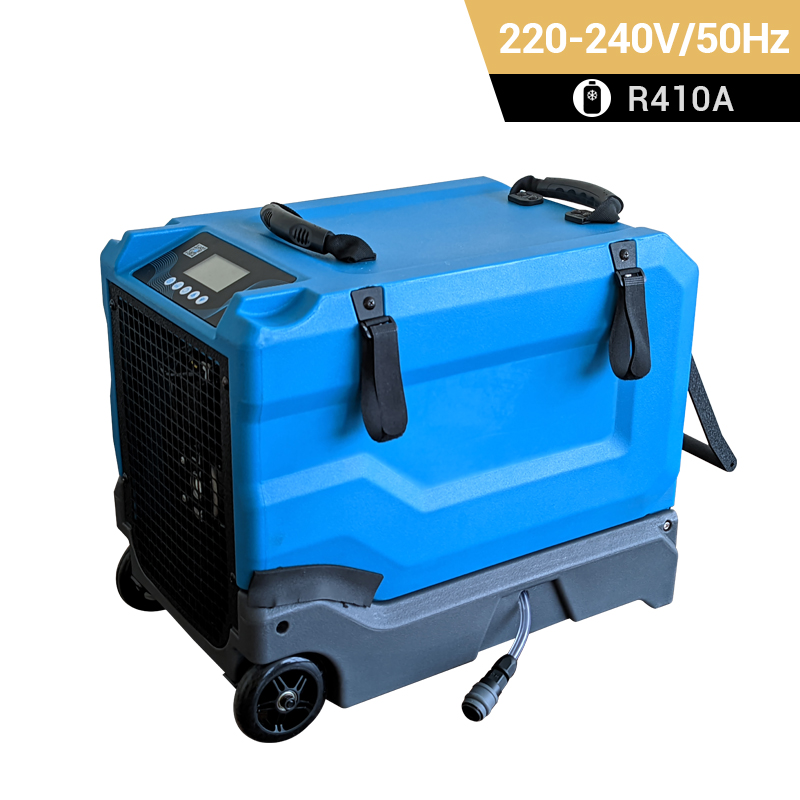
- Opt for a portable unit with wheels for easy maneuverability. This is important when you need to move the dehumidifier to different areas of your home or business.
3. Continuous Drainage Option:
- A dehumidifier for flood damage with a continuous drainage option allows you to connect a hose for constant drainage, eliminating the need to empty a water reservoir regularly.
4. Auto-Defrost Feature:
- If you're dealing with colder temperatures, an auto-defrost feature prevents the coils from freezing, ensuring the dehumidifier's continuous operation.
5. Built-in Pump:
- Some commercial dehumidifiers come with a built-in pump, which can pump water vertically or horizontally, making it easier to drain the collected water to a sink or outside.
6. Humidity Control:
- Look for a unit with adjustable humidity settings. This allows you to set the desired humidity level for efficient moisture removal.
7. Durability and Water Resistance:
- Since the dehumidifier will be used in damp conditions, ensure that it is durable and designed to resist water. Look for units with rust-resistant materials.
8. Auto-Restart Function:
- In case of a power outage, an auto-restart function ensures that the dehumidifier for flood resumes operation with the previous settings when power is restored.
9. Air Filtration:
- Some dehumidifiers come with air filtration features, helping to improve air quality by capturing dust, mold spores, and other particles.
10. Energy Efficiency:
- Choose an energy-efficient model to reduce operational costs, especially if you plan to use the dehumidifier continuously for an extended period.
11. Reviews and Ratings:
- Read customer reviews and check ratings for different dehumidifiers to ensure that they perform well in real-world flood damage scenarios.
Before purchasing, assess the extent of the flood damage, and consider consulting with restoration professionals to determine the appropriate capacity and features needed for your specific situation.
Related Products




Top Selling Products






- Related Blog
- Related Videos
- Reviews
High Quality Dehumidifier For Flood Damage Related Videos From Youtube

-

Phone
-

E-mail
-

Facebook
-

Youtube
-

Top


